


Exploring the Versatility of Aluminum Extrusion Tube in Modern Packaging
Release time:
Aug 05,2024
Exploring the Versatility of Aluminum Extrusion Tube in Modern Packaging
Table of Contents
- 1. Introduction to Aluminum Extrusion Tubes
- 2. What is Aluminum Extrusion?
- 3. Benefits of Using Aluminum Extrusion Tubes in Packaging
- 4. Diverse Applications of Aluminum Extrusion Tubes
- 5. The Role of Aluminum in Sustainable Packaging Solutions
- 6. Innovations in Aluminum Extrusion Technology
- 7. Future Trends in Aluminum Packaging
- 8. Conclusion
- 9. Frequently Asked Questions (FAQs)
1. Introduction to Aluminum Extrusion Tubes
In today’s rapidly evolving packaging landscape, **aluminum extrusion tubes** are emerging as a preferred solution for many industries. With their combination of strength, lightweight properties, and versatility, these tubes offer a multitude of packaging options that can cater to various needs. This article explores the versatility of aluminum extrusion tubes, showcasing their advantages, diverse applications, and potential for future innovations.
2. What is Aluminum Extrusion?
Aluminum extrusion is a manufacturing process that involves shaping aluminum alloy into a desired cross-sectional profile by forcing it through a die. This technique allows for the creation of complex shapes that can be tailored to specific applications, such as aluminum tubes, rods, and other forms. The extrusion process can produce consistent and high-quality products, making it a favored method in the packaging industry.
The Extrusion Process
The extrusion process typically involves the following steps:
1. **Heating the Aluminum Alloy**: The aluminum is heated to a specific temperature to make it malleable.
2. **Extruding**: The softened aluminum is forced through a die by a hydraulic press, taking the shape of the die's opening.
3. **Cooling**: The extruded aluminum is cooled, allowing it to retain its new shape.
4. **Cutting**: The aluminum is then cut into the desired lengths for further processing or packaging.
3. Benefits of Using Aluminum Extrusion Tubes in Packaging
Aluminum extrusion tubes present numerous advantages over traditional packaging materials. Here are some of the most significant benefits:
Durability and Strength
Aluminum is known for its strength and durability. Unlike plastic, aluminum can withstand significant impacts and stress, ensuring that packaged products are protected during transportation and handling.
Lightweight Design
Despite its strength, aluminum is lightweight, which reduces shipping costs and makes it easier to handle. This feature is particularly beneficial for industries looking to optimize logistics and reduce their carbon footprint.
Corrosion Resistance
Aluminum has excellent corrosion resistance, which protects the contents from contamination and extends shelf life. This property is vital for packaging food products and chemicals that require a high degree of safety.
Recyclability
Aluminum is 100% recyclable without losing its properties. This makes it an environmentally friendly option, as recycled aluminum requires significantly less energy to process compared to new aluminum.
4. Diverse Applications of Aluminum Extrusion Tubes
The versatility of aluminum extrusion tubes allows for their application in various sectors. Below are some key industries utilizing these tubes:
Pharmaceutical Packaging
Aluminum tubes are widely used in the pharmaceutical industry for packaging ointments, creams, and gels. Their barrier properties prevent contamination and maintain the integrity of sensitive formulations.
Cosmetics and Personal Care
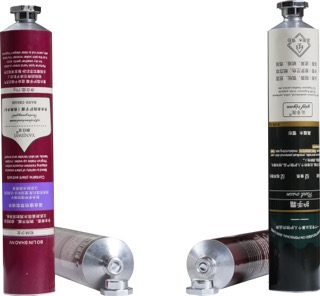
The cosmetics sector benefits from aluminum tubes for packaging products such as lotions, gels, and toothpaste. The aesthetic appeal of aluminum, combined with its functional advantages, makes it a popular choice.
Food and Beverage
In the food industry, aluminum tubes are utilized for packaging sauces, condiments, and other products. The material’s ability to provide a barrier against light and air ensures that food items remain fresh for longer.
Industrial Applications
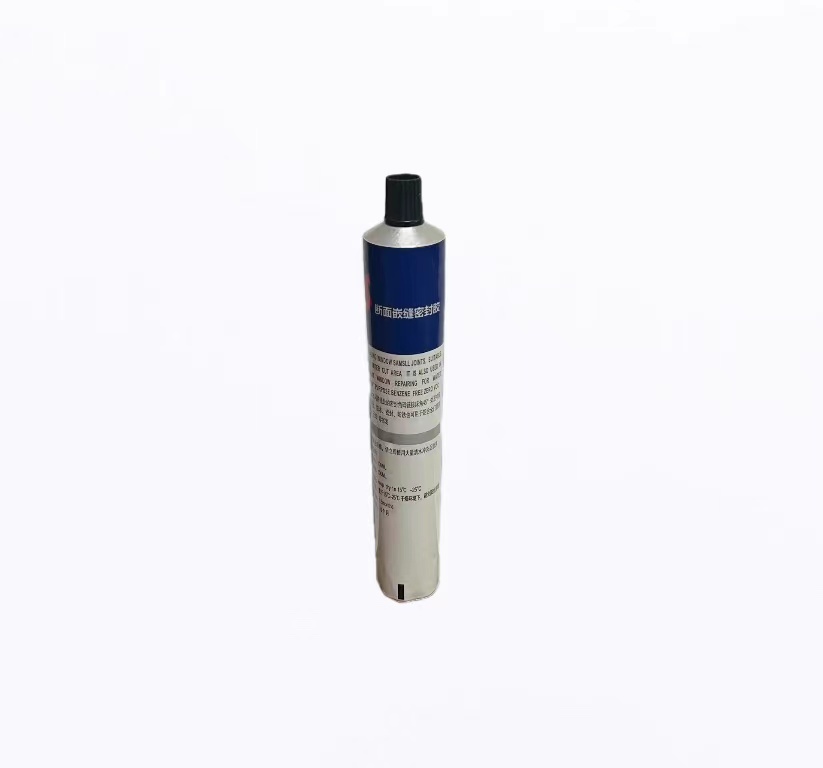
Aluminum extrusion tubes are also used in various industrial applications, including the packaging of lubricants, sealants, and chemicals. Their durability and resistance to corrosion make them suitable for harsh environments.
5. The Role of Aluminum in Sustainable Packaging Solutions
As sustainability becomes a critical focus across industries, aluminum extrusion tubes stand out as a responsible choice. Their recyclability contributes significantly to reducing waste and conserving resources.
Life Cycle Assessment
A comprehensive life cycle assessment of aluminum packaging reveals its lower environmental impact compared to plastic alternatives. From production to disposal, aluminum offers a more sustainable path.
Reducing Carbon Footprint
By choosing aluminum packaging, companies can reduce their carbon footprint, aligning with global sustainability goals. The lightweight nature of aluminum also contributes to lower emissions during transportation.
6. Innovations in Aluminum Extrusion Technology
With the ongoing advancements in manufacturing technologies, aluminum extrusion continues to evolve. Innovations in this field enhance the efficiency and versatility of aluminum tubes.
Advanced Coatings and Finishes
New coating technologies allow for enhanced designs and protective layers on aluminum tubes. These innovations improve aesthetic appeal and functionality, such as UV protection and additional corrosion resistance.
Custom Extrusion Profiles
Modern extrusion methods enable the production of custom profiles tailored to specific packaging needs. This flexibility allows businesses to differentiate their products in a competitive market.
7. Future Trends in Aluminum Packaging
The future of aluminum extrusion tubes in packaging looks promising, driven by trends focused on sustainability and innovation.
Emphasis on Eco-Friendly Materials
As consumers become more environmentally conscious, the demand for eco-friendly packaging solutions will grow. Aluminum’s recyclability positions it as a key player in meeting these demands.
Integration of Smart Packaging Technology
The integration of smart technologies into aluminum packaging, such as QR codes and sensors, will enhance user interaction and product information. This trend provides consumers with more transparency and engagement.
8. Conclusion
Aluminum extrusion tubes represent a versatile, durable, and sustainable option for modern packaging across various industries. Their unique properties, coupled with ongoing innovations, position them at the forefront of packaging solutions. As we look to the future, the role of aluminum in packaging will continue to expand, aligning with consumer demands for sustainability and efficiency. By leveraging the advantages of aluminum extrusion, businesses can meet their packaging needs while contributing to a more sustainable environment.
9. Frequently Asked Questions (FAQs)
What industries commonly use aluminum extrusion tubes?
Aluminum extrusion tubes are widely used in industries such as pharmaceuticals, cosmetics, food and beverage, and various industrial applications.
How does aluminum compare to plastic in terms of sustainability?
Aluminum is more sustainable than plastic because it is 100% recyclable and has a lower environmental impact throughout its life cycle.
Are aluminum extrusion tubes safe for food packaging?
Yes, aluminum extrusion tubes are safe for food packaging as they provide excellent barrier properties, preventing contamination and preserving freshness.
What are the advantages of using aluminum over glass for packaging?
Aluminum is lighter, more durable, and less prone to breakage compared to glass, making it a safer and more cost-effective option for packaging.
Can aluminum extrusion tubes be customized for specific applications?
Absolutely! Aluminum extrusion allows for the creation of custom profiles tailored to specific packaging needs, enhancing product differentiation.
This extensive exploration reveals the critical role aluminum extrusion tubes play in the modern packaging landscape, showcasing their versatility and potential for future advancements.
One-Stop Aluminum Packaging Customized Service
Contact Us
Tel : +86-150 9053 9268
Email : 1019118637@qq.com
WeChat : 15090539268
Address : Huahai Industrial Park, Huadu District, Guangzhou CHINA
Postcode: 510800

Leave A Message