


How Aluminum Extrusion Tubes Enhance Metal Packaging Solutions
Release time:
Sep 16,2024
How Aluminum Extrusion Tubes Enhance Metal Packaging Solutions
Table of Contents
- Introduction to Aluminum Extrusion Tubes
- Benefits of Aluminum Extrusion Tubes in Metal Packaging
- Applications of Aluminum Extrusion Tubes
- Sustainability and Environmental Impact
- The Manufacturing Process of Aluminum Extrusion Tubes
- Challenges in Using Aluminum Extrusion Tubes
- The Future of Aluminum Extrusion in Metal Packaging
- Conclusion
- Frequently Asked Questions (FAQs)
Introduction to Aluminum Extrusion Tubes
Aluminum extrusion tubes are revolutionizing the metal packaging industry with their lightweight, durable, and versatile nature. They are manufactured by forcing aluminum through a shaped opening to create long-lasting tubes that can be tailored to various specifications. With increasing demands for high-quality packaging solutions, aluminum extrusion tubes are becoming an integral part of the metal packaging landscape.
This article explores how aluminum extrusion tubes enhance metal packaging solutions, focusing on their benefits, various applications, and sustainability aspects.
Benefits of Aluminum Extrusion Tubes in Metal Packaging
Aluminum extrusion tubes offer numerous advantages that make them a preferred choice for manufacturers seeking effective packaging solutions. Here are some of the key benefits:
1. Lightweight yet Strong
One of the most significant advantages of aluminum extrusion tubes is their lightweight nature. This characteristic reduces transportation costs and allows for easy handling while maintaining structural integrity. The strength-to-weight ratio of aluminum makes these tubes capable of withstanding external pressures without compromising their form or functionality.
2. Corrosion Resistance
Aluminum inherently possesses excellent resistance to corrosion. This property makes aluminum extrusion tubes ideal for packaging products that may be exposed to moisture or chemicals. By using these tubes, manufacturers can ensure that their products remain protected over time.
3. Aesthetic Appeal
Aluminum extrusion tubes can be polished, painted, or anodized, allowing for various aesthetic finishes. This versatility enhances product presentation, attracting consumers and adding value to the overall packaging.
4. Customizability
The extrusion process allows for a high degree of customization. Manufacturers can create tubes in various shapes, sizes, and wall thicknesses, tailoring them to specific product requirements. This flexibility makes aluminum extrusion tubes suitable for diverse applications.
5. Recyclability
Aluminum is highly recyclable, making aluminum extrusion tubes an environmentally friendly option. Recycled aluminum requires less energy to process compared to new aluminum, contributing to sustainability efforts within the packaging industry.
Applications of Aluminum Extrusion Tubes
Aluminum extrusion tubes are utilized across various industries for numerous applications. Here are some prominent uses:
1. Cosmetic Packaging
In the cosmetic industry, aluminum extrusion tubes are widely used for packaging creams, lotions, and ointments. Their ability to provide an airtight seal ensures product longevity and preserves the integrity of sensitive formulas.
2. Food and Beverage Packaging
Aluminum extrusion tubes are popular in food and beverage packaging due to their lightweight and durable characteristics. They are often used for packaging sauces, pastes, and other liquid products, maintaining freshness and preventing contamination.
3. Pharmaceutical Packaging
The pharmaceutical industry leverages aluminum extrusion tubes for packaging a variety of medications. These tubes provide a secure barrier against moisture and air, which is critical for maintaining the efficacy of sensitive drugs.
4. Industrial Applications
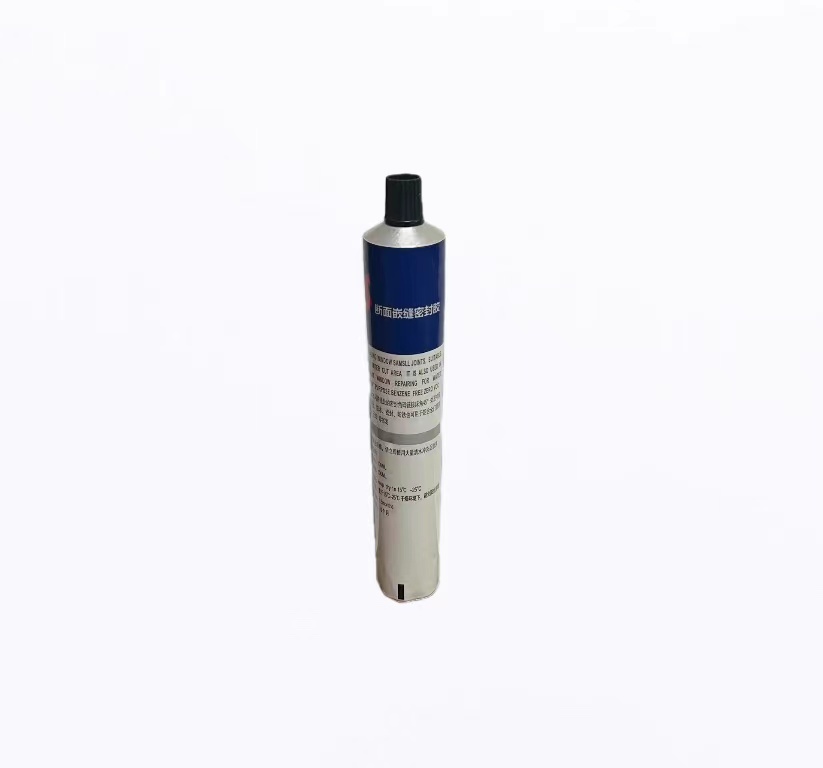
In industrial sectors, aluminum extrusion tubes are employed for packaging various products, including adhesives, sealants, and lubricants. Their robust nature ensures that the contents remain intact during storage and transportation.
5. Personal Care Products
Products such as toothpaste and gels are often packaged in aluminum extrusion tubes. The non-reactive nature of aluminum makes these tubes suitable for containing various personal care formulations without risk of chemical interaction.
Sustainability and Environmental Impact
As sustainability becomes increasingly important in packaging, aluminum extrusion tubes present an eco-friendly alternative. The recycling process for aluminum is well-established and substantially reduces the carbon footprint associated with new aluminum production.
Moreover, using aluminum in packaging minimizes the reliance on plastic, which is notorious for environmental pollution. Manufacturers opting for aluminum extrusion tubes contribute positively to environmental preservation and sustainability initiatives.
The Manufacturing Process of Aluminum Extrusion Tubes
The production of aluminum extrusion tubes involves several key steps:
1. Material Selection
The process begins with selecting high-quality aluminum alloy, which determines the strength and durability of the final product.
2. Heating and Extrusion
Once the aluminum is heated to a malleable state, it is forced through a die that shapes it into the desired tube form. This method allows for precise thickness and diameter control.
3. Cooling
After extrusion, the newly formed tubes are cooled, which solidifies their shape and helps maintain structural integrity during further processing.
4. Cutting and Finishing
The extruded tubes are cut to the required lengths, and surface finishing processes such as anodizing or painting may be applied to enhance aesthetics and functionality.
5. Quality Control
Finally, quality control measures ensure that the tubes meet industry standards for strength, corrosion resistance, and overall performance before they are packaged and shipped to customers.
Challenges in Using Aluminum Extrusion Tubes
While aluminum extrusion tubes offer numerous advantages, there are challenges that manufacturers and users may face:
1. Cost Factors
The initial cost of aluminum can be higher than other packaging materials like plastic. Manufacturers need to consider long-term benefits and sustainability versus upfront costs.
2. Sourcing Quality Materials
Finding high-quality aluminum alloys can be a challenge, as not all suppliers may meet the required specifications. It's crucial to establish relationships with reliable suppliers.
3. Design Limitations
Although aluminum extrusion allows for a high degree of customization, certain complex designs may not be feasible. Manufacturers must balance design aspirations with practical production capabilities.
The Future of Aluminum Extrusion in Metal Packaging
The future of aluminum extrusion tubes in metal packaging appears promising. With ongoing advancements in manufacturing technology and a growing emphasis on sustainability, aluminum is likely to become an even more critical player in the packaging landscape.
Innovations such as improved recycling techniques and the exploration of new alloy compositions could further enhance the properties of aluminum extrusion tubes, making them even more appealing for various applications across industries.
Conclusion
Aluminum extrusion tubes are undoubtedly enhancing metal packaging solutions with their myriad benefits, versatility, and sustainability. From the cosmetic and pharmaceutical sectors to food and beverage packaging, these tubes are transforming how products are packaged and presented. As sustainability remains a priority, the use of aluminum will continue to grow, paving the way for innovative packaging solutions that meet consumer demands while protecting the environment.
Frequently Asked Questions (FAQs)
1. What are aluminum extrusion tubes used for?
Aluminum extrusion tubes are used in a wide range of industries, including cosmetics, food and beverage, pharmaceuticals, and personal care products, for packaging various items due to their durability and lightweight nature.
2. Are aluminum extrusion tubes recyclable?
Yes, aluminum is highly recyclable. Recycling aluminum requires significantly less energy than producing new aluminum, making it an environmentally friendly option for packaging.
3. How do aluminum extrusion tubes compare to plastic packaging?
Aluminum extrusion tubes offer superior strength, corrosion resistance, and sustainability compared to plastic packaging. They also provide better protection against moisture and air, preserving product integrity.
4. What is the manufacturing process of aluminum extrusion tubes?
The manufacturing process involves selecting quality aluminum alloy, heating and extruding the material through a die, cooling the tubes, cutting them to size, and applying finishing processes such as anodizing.
5. What challenges are associated with aluminum extrusion tubes?
Challenges include higher initial costs, sourcing quality materials, and potential limitations in design complexity. However, the long-term benefits often outweigh these challenges.
By focusing on the benefits, applications, and sustainability of aluminum extrusion tubes, this article provides a comprehensive overview that underscores their importance in enhancing metal packaging solutions.
One-Stop Aluminum Packaging Customized Service
Contact Us
Tel : +86-150 9053 9268
Email : 1019118637@qq.com
WeChat : 15090539268
Address : Huahai Industrial Park, Huadu District, Guangzhou CHINA
Postcode: 510800

Leave A Message