


Exploring the Benefits of Metal Tubes in Aviation Toothpaste Packaging
Release time:
Feb 04,2026
Exploring the Benefits of Metal Tubes in Aviation Toothpaste Packaging
Introduction to Metal Tubes in Toothpaste Packaging
In the fast-paced world of aviation, every product must meet high standards of quality and reliability. Toothpaste packaging is no exception. Traditional plastic tubes are being increasingly replaced by metal tubes, which offer a range of benefits that align perfectly with the aviation sector's stringent requirements. This article explores the numerous advantages of using metal tubes for aviation toothpaste packaging, including durability, sustainability, and visual appeal.
The Advantages of Metal Tubes Over Other Packaging Materials
1. Durability and Protection
Metal tubes are renowned for their exceptional durability. Unlike plastic, metal is resistant to punctures and tears, ensuring that the toothpaste remains protected during transportation and storage. This is particularly important in the aviation industry, where products are subjected to various environmental stressors. The robust nature of metal tubes also extends the shelf life of the toothpaste, maintaining its quality and effectiveness.
2. Enhanced Shelf Life of Products
Another significant benefit of metal tubes is their ability to protect the contents from external factors such as moisture and light. This is crucial for toothpaste, which can lose its efficacy when exposed to air or moisture. Metal tubes create a hermetic seal, preventing any degradation of the product and ensuring that it remains fresh for an extended period.
3. Sustainable Packaging Solutions
With the increasing emphasis on sustainability, metal tubes offer a more environmentally friendly alternative to plastic packaging. Metal is infinitely recyclable, meaning that once a metal tube is used, it can be processed and turned into new products without losing quality. This makes metal tubes a sustainable choice for aviation companies that are looking to minimize their ecological footprint.
Design Flexibility and Customization
1. Aesthetic Appeal and Branding Opportunities
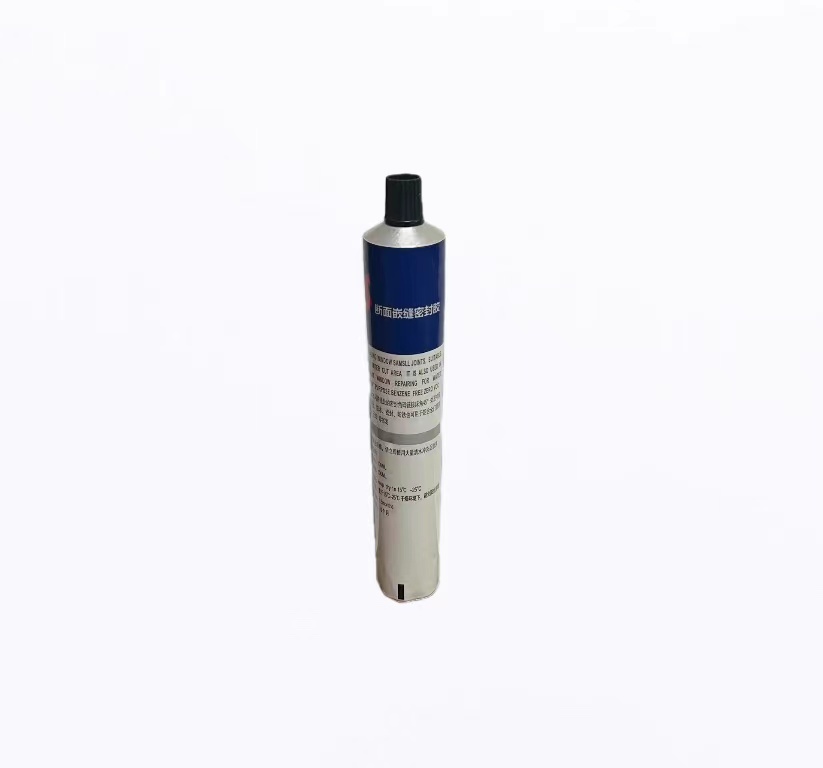
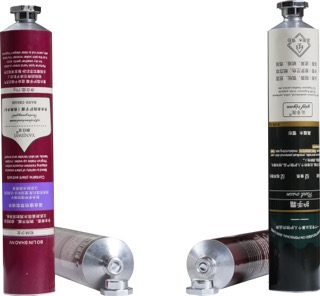
Metal tubes provide unique branding opportunities due to their customizable designs. Aviation toothpaste brands can create visually appealing packaging that stands out to consumers. The metallic finish can add a premium feel to the product, which aligns well with the high-quality expectations of aviation customers.
2. Innovative Packaging Solutions
The design flexibility of metal tubes allows for innovative packaging solutions. For example, brands can incorporate features such as easy-to-use applicators or collapsible designs that enhance user experience. These innovations not only improve functionality but also create a more engaging product for consumers.
The Role of Metal Tubes in Tourism and Travel
1. Space-Saving Benefits for Travelers
Traveling often means limited space for personal items. Metal tubes are typically more compact than their plastic counterparts, making them easier to pack. This is especially important in the aviation sector, where travelers prefer lightweight and space-efficient options.
2. Compliance with Aviation Standards
Aviation regulations require that all products onboard adhere to strict safety guidelines. Metal tubes, being sturdy and less likely to leak or break, can more easily meet these requirements. Airlines can confidently offer metal tube toothpaste to their passengers, knowing that it aligns with safety and quality standards.
Consumer Preferences and Trends in Packaging
1. The Shift Towards Eco-Conscious Choices
Consumer preferences are rapidly shifting towards eco-friendly products. By choosing metal tubes for their toothpaste, brands can tap into this growing market of environmentally conscious consumers. This trend not only benefits the planet but can also enhance brand loyalty as customers increasingly seek sustainable options.
2. The Impact of Social Media on Packaging Trends
Social media platforms play a significant role in shaping consumer behavior. Visually appealing packaging, such as that offered by metal tubes, can attract attention on social media, leading to increased brand visibility and consumer engagement. Brands that leverage this trend can establish a strong online presence.
Challenges and Considerations in Metal Tube Manufacturing
1. Manufacturing Costs and Economic Factors
While metal tubes offer numerous benefits, manufacturers must consider the higher production costs associated with metal compared to plastic. Understanding the economic implications is crucial for companies looking to transition to metal packaging. However, the long-term benefits, such as reduced waste and enhanced product integrity, often outweigh these initial costs.
2. Technical Requirements for Production
Manufacturing metal tubes requires advanced technology and equipment. Companies must invest in the right machinery and processes to ensure quality production. Technical expertise is essential to maintain the integrity of the product throughout the manufacturing process.
Case Studies: Successful Implementation of Metal Tubes
1. Leading Brands Adopting Metal Tubes
Several leading brands in the toothpaste industry have successfully transitioned to metal tube packaging. These companies have reported positive feedback from consumers regarding product quality and aesthetic appeal. By adopting metal tubes, these brands have not only enhanced their products but also aligned with current sustainability trends.
2. Consumer Feedback and Market Response
Consumer feedback is critical in evaluating the success of product packaging. Surveys indicate that consumers prefer the look and feel of metal tubes, associating them with higher quality. Brands that listen to their consumers can leverage this information to refine their packaging strategies and improve overall customer satisfaction.
Future Trends in Metal Tube Packaging in Aviation
1. Innovations in Material Science
The future of metal tube packaging is bright, with ongoing advancements in material science. Innovations may lead to even lighter and more durable materials, further improving the functionality and appeal of metal tubes in aviation toothpaste packaging.
2. Expanding Applications Beyond Toothpaste
The successful implementation of metal tubes in toothpaste packaging could pave the way for their use in other personal care products within the aviation industry. This approach could lead to a broader acceptance of metal packaging across various product categories, enhancing the overall consumer experience.
Conclusion: The Path Forward for Metal Tube Packaging in Aviation Toothpaste
In conclusion, the advantages of metal tubes for aviation toothpaste packaging are profound and multifaceted. From durability and sustainability to aesthetic appeal and consumer preference, metal tubes present a compelling case for manufacturers in the aviation industry. As the trend towards eco-conscious products continues, adopting metal tubes not only aligns brands with consumer demands but also positions them favorably within the competitive market landscape. The future of metal tubes holds exciting potential as innovations continue to shape the way we think about packaging in aviation.
FAQs
1. Why are metal tubes considered more sustainable than plastic tubes?
Metal tubes are infinitely recyclable and do not lose quality during the recycling process, making them a sustainable choice for packaging.
2. How do metal tubes enhance the shelf life of toothpaste?
Metal tubes create a hermetic seal that protects the contents from moisture and light, preserving the freshness and efficacy of the toothpaste.
3. Are metal tubes more expensive to produce than plastic tubes?
Yes, metal tubes typically have higher production costs, but their long-term benefits in terms of sustainability and product integrity can justify the investment.
4. Can metal tubes be customized for branding purposes?
Absolutely! Metal tubes offer a range of design options that can enhance branding and appeal to consumers.
5. What are the potential challenges in transitioning to metal tube packaging?
Challenges include higher manufacturing costs and the need for advanced production technology, but the benefits often outweigh these challenges.
One-Stop Aluminum Packaging Customized Service
Contact Us
Tel : +86-150 9053 9268
Email : 1019118637@qq.com
WeChat : 15090539268
Address : Huahai Industrial Park, Huadu District, Guangzhou CHINA
Postcode: 510800

Leave A Message