


Effective Pet Food Management: Strategies for Optimal Product Preservation
Release time:
Aug 08,2026
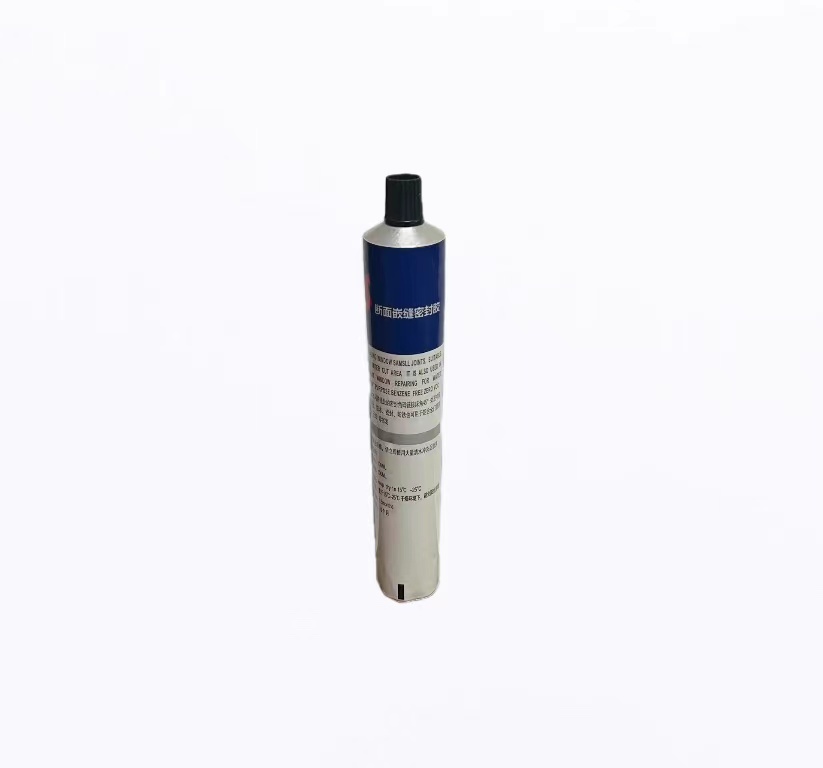
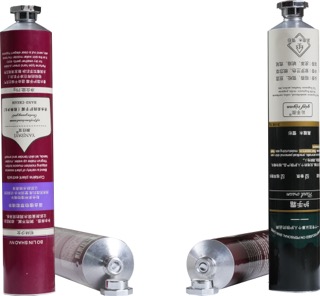
In the pet food industry, efficient management is pivotal not only for maintaining product integrity but also for ensuring compliance with safety standards. One of the key aspects of pet food management is understanding the role of packaging, particularly metal packaging containers and flexible metal hose packaging. These materials offer several advantages that contribute to effective management strategies.
First and foremost, metal packaging is renowned for its durability and ability to provide a robust barrier against external contaminants such as moisture, light, and oxygen. This is especially important for pet food products that may contain perishable ingredients that require protection to maintain their nutritional value. By utilizing high-quality metal containers, producers can significantly extend the shelf life of their products, reducing waste and enhancing customer trust.
Moreover, pet food management involves meticulous inventory control. Proper tracking of stock levels is essential to prevent overproduction and ensure that products are sold while they remain fresh. Implementing an effective inventory management system can help companies keep track of expiration dates, manage reorders, and optimize storage conditions. This not only aids in maintaining product quality but also enhances efficiency within the supply chain.
Another critical aspect of pet food management is understanding the importance of regulatory compliance. The pet food industry is subject to stringent safety standards that vary by region. Manufacturers must be well-versed in these regulations to ensure that their products meet all legal requirements. This includes proper labeling, ingredient sourcing, and adherence to safety guidelines during the production and packaging processes. Compliance not only protects consumers but also strengthens brand reputation.
Sustainability is also becoming an increasingly important factor in pet food management. With growing awareness around environmental issues, businesses are now looking for ways to make their packaging more eco-friendly. Utilizing recyclable materials and implementing sustainable practices within the packaging process can enhance brand image and appeal to eco-conscious consumers.
In conclusion, effective pet food management encompasses various strategies that focus on packaging integrity, inventory control, regulatory compliance, and sustainable practices. By leveraging advanced metal packaging solutions and prioritizing quality management, companies can ensure that their pet food products remain safe, nutritious, and appealing to consumers. As the industry evolves, staying informed about these management practices will be crucial for maintaining competitiveness and fostering customer loyalty.
One-Stop Aluminum Packaging Customized Service
Contact Us
Tel : +86-150 9053 9268
Email : 1019118637@qq.com
WeChat : 15090539268
Address : Huahai Industrial Park, Huadu District, Guangzhou CHINA
Postcode: 510800

Leave A Message