


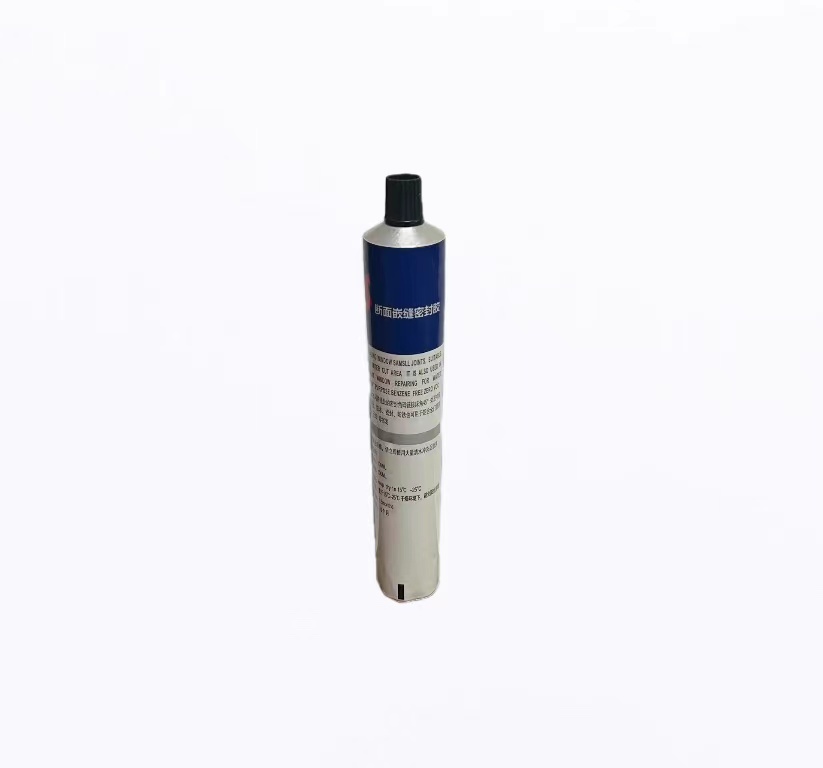
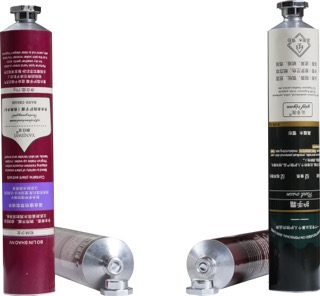
Exploring the Design Options for Aluminum Extruded Tube Metal Covers: Comprehensive Insights and Innovative Solutions
Release time:
Mar 26,2026
Exploring the Design Options for Aluminum Extruded Tube Metal Covers
Table of Contents
- 1. Introduction to Aluminum Extruded Tube Metal Covers
- 2. Benefits of Using Aluminum Extruded Tube Metal Covers
- 3. Design Options for Aluminum Extruded Tube Metal Covers
- 3.1 Shape and Profile Designs
- 3.2 Finishing Techniques
- 3.3 Color and Coating Options
- 3.4 Customization and Engineering Solutions
- 4. Manufacturing Process of Aluminum Extruded Tube Metal Covers
- 5. Applications Across Industries
- 6. Maintenance and Durability Considerations
- 7. Future Trends in Aluminum Extrusion
- 8. Frequently Asked Questions (FAQs)
- 9. Conclusion
1. Introduction to Aluminum Extruded Tube Metal Covers
Aluminum extruded tube metal covers have become crucial components in numerous industries, offering a blend of durability, lightweight properties, and versatility. These products serve as protective casings, aesthetic finishes, and structural elements, making them indispensable in applications ranging from automotive to consumer electronics. In this article, we will explore the various design options available for aluminum extruded tube metal covers, ensuring you are well-equipped to make informed decisions for your projects.
2. Benefits of Using Aluminum Extruded Tube Metal Covers
The use of aluminum extruded tube metal covers presents multiple advantages. Here are some significant benefits:
2.1 Lightweight Yet Durable
Aluminum is known for its lightweight nature, which aids in reducing overall product weight. Despite this, it maintains impressive strength, making it ideal for applications where both weight and durability are critical.
2.2 Corrosion Resistance
Aluminum naturally forms an oxide layer that protects it from corrosion. This property ensures that products remain intact and functional even in challenging environments.
2.3 Customizable Designs
With advancements in manufacturing technology, aluminum extruded tube metal covers can be tailored to meet specific design requirements. The ability to create unique shapes, sizes, and finishes allows for extensive customization.
2.4 Cost-Effectiveness
Aluminum is generally more affordable compared to other metals. Its recyclability further enhances its cost-effectiveness, as it reduces material waste and lowers production costs.
3. Design Options for Aluminum Extruded Tube Metal Covers
When it comes to designing aluminum extruded tube metal covers, there are various options to consider. This section delves into the most popular design features.
3.1 Shape and Profile Designs
The shape of aluminum extruded tube metal covers can greatly influence their performance and aesthetics. Common shapes include:
- **Circular Tubes**: Ideal for applications where pressure containment is necessary.
- **Square and Rectangular Tubes**: Often used in frame structures due to their ease of assembly.
- **Custom Profiles**: Manufacturers can create unique profiles that enhance functionality and visual appeal.
3.2 Finishing Techniques
Finishing techniques not only improve the appearance of aluminum extruded tube metal covers but also enhance their performance. Popular methods include:
- **Anodizing**: A process that increases corrosion resistance and allows for color customization.
- **Powder Coating**: Provides a durable finish that is available in various colors and textures.
- **Brushing and Polishing**: These techniques give the metal a sleek and professional finish.
3.3 Color and Coating Options
Color and coatings can significantly impact the aesthetic appeal of aluminum extruded tube metal covers. Options include:
- **Standard Colors**: Common colors like silver, black, and white are widely used for their versatility.
- **Custom Colors**: Manufacturers can match specific Pantone colors to align with branding requirements.
- **Textured Finishes**: Textured coatings can add visual interest and improve grip.
3.4 Customization and Engineering Solutions
Customization goes beyond just color and shape. Engineers can work with clients to develop solutions tailored to specific operational needs, including:
- **Unique Dimensions**: Creating covers that fit precise specifications.
- **Integrated Features**: Such as mounting brackets or ventilation openings to enhance functionality.
- **Complex Shapes**: For specialized applications requiring innovative designs.
4. Manufacturing Process of Aluminum Extruded Tube Metal Covers
The manufacturing process for aluminum extruded tube metal covers involves several critical steps:
4.1 Aluminum Alloy Selection
Choosing the right aluminum alloy is paramount, as it affects both the strength and corrosion resistance of the final product. Common alloys used include 6061 and 6063, known for their excellent mechanical properties.
4.2 Extrusion Process
The extrusion process involves forcing heated aluminum through a die to create the desired shape. This method allows for efficient mass production while maintaining precise dimensions.
4.3 Cooling and Cutting
Once extruded, the aluminum profile is cooled and cut to the specified lengths. This step ensures that the dimensions meet project requirements.
4.4 Finishing Treatments
After cutting, the extruded tubes may undergo various finishing treatments, such as anodizing or powder coating, to enhance their appearance and performance.
5. Applications Across Industries
Aluminum extruded tube metal covers find use in numerous applications thanks to their adaptability. Here are some key industries that benefit from these components:
5.1 Automotive Industry
In the automotive sector, these covers are used for housings, structural components, and heat sinks, contributing to vehicle efficiency and safety.
5.2 Electronics and Electrical
Aluminum extruded tube metal covers protect sensitive electronic components from dust and moisture while providing necessary heat dissipation.
5.3 Aerospace
The aerospace industry relies on lightweight, durable materials. Aluminum covers are used in various applications, including structural elements and protective casings.
5.4 Construction
In construction, aluminum extruded covers are utilized in window frames, curtain walls, and other architectural elements, combining strength with aesthetic appeal.
5.5 Medical Equipment
The medical field requires strict adherence to hygiene standards. Aluminum covers serve as protective casings for medical devices, ensuring both functionality and cleanliness.
6. Maintenance and Durability Considerations
While aluminum extruded tube metal covers are known for their durability, regular maintenance is essential to extend their lifespan. Key maintenance tips include:
6.1 Regular Cleaning
Routine cleaning with mild detergent and water helps prevent the buildup of dirt and grime, preserving the cover's appearance.
6.2 Inspection for Corrosion
Periodic inspections should be conducted to identify any signs of corrosion, especially in environments with high exposure to moisture or salts.
6.3 Repairing Damage
Promptly addressing any dents or scratches can prevent corrosion and preserve the structural integrity of the covers.
7. Future Trends in Aluminum Extrusion
The aluminum extrusion industry is continually evolving. Emerging trends that may shape the future include:
7.1 Sustainable Practices
With a growing emphasis on sustainability, manufacturers are focusing on eco-friendly practices, including recycling and using sustainable materials.
7.2 Advanced Manufacturing Techniques
Technological advancements, such as 3D printing and automation, are poised to revolutionize the manufacturing of aluminum extrusions, enhancing efficiency and customization capabilities.
7.3 Increased Demand for Custom Solutions
As industries evolve, the need for specialized aluminum extruded tube metal covers is expected to rise, leading to more customized solutions tailored to specific applications.
8. Frequently Asked Questions (FAQs)
8.1 What are the advantages of aluminum over other metals?
Aluminum offers a unique combination of lightweight, corrosion resistance, and ease of fabrication, making it a preferred choice in many applications.
8.2 Can aluminum extruded tube metal covers be recycled?
Yes, aluminum is highly recyclable, and recycling it requires significantly less energy than producing new aluminum, making it an environmentally friendly option.
8.3 How can I customize my aluminum extruded tube metal covers?
Customization options include shape, size, color, and surface finish. Working with a manufacturer can help you achieve the desired specifications.
8.4 What industries commonly use aluminum extruded tube metal covers?
Industries such as automotive, electronics, aerospace, construction, and medical equipment frequently use these components for their lightweight and durable properties.
8.5 What are the typical applications of aluminum extruded tube metal covers?
Common applications include protective casings for electronics, structural components in vehicles, and frameworks in construction.
9. Conclusion
Aluminum extruded tube metal covers present a wealth of design options and benefits, making them a vital component in various industries. By understanding the advantages, customization possibilities, and manufacturing processes, we can make informed decisions that enhance product functionality and aesthetic appeal. As we move forward, embracing innovative techniques and sustainable practices will ensure that aluminum continues to be a leading choice for metal covers. Whether for protective, structural, or aesthetic purposes, aluminum extruded tube metal covers will remain at the forefront of engineering solutions.
One-Stop Aluminum Packaging Customized Service
Contact Us
Tel : +86-150 9053 9268
Email : 1019118637@qq.com
WeChat : 15090539268
Address : Huahai Industrial Park, Huadu District, Guangzhou CHINA
Postcode: 510800

Leave A Message