


Sustainable Packaging: Shampoo Aluminum Tubes vs. Plastic Bottles
Release time:
May 25,2026
Sustainable Packaging: Shampoo Aluminum Tubes vs. Plastic Bottles
Introduction to Sustainable Packaging in the Cosmetic Industry
The cosmetic industry is undergoing a significant transformation as consumers increasingly demand environmentally friendly solutions. Among these, **sustainable packaging** has become a crucial focus area. The packaging choices brands make not only affect their market presence but also their commitment to sustainability. When it comes to shampoo, two prevalent packaging options are aluminum tubes and plastic bottles. This article delves into the benefits and drawbacks of both options, helping brands make informed, **eco-conscious decisions**.
The Importance of Sustainable Packaging
Sustainable packaging is defined by its minimal impact on the environment throughout its lifecycle. This includes the sourcing of materials, manufacturing processes, transportation, and disposal. With the rising awareness of **plastic pollution** and its effects on ecosystems and human health, brands are pushed to rethink their packaging strategies. Sustainable options often encompass:
- **Biodegradable materials**
- **Recyclability**
- **Reduction of carbon footprints**
By choosing sustainable packaging, brands not only contribute to environmental preservation but can also enhance their image and appeal to conscious consumers.
Aluminum Tubes: An Eco-Friendly Alternative
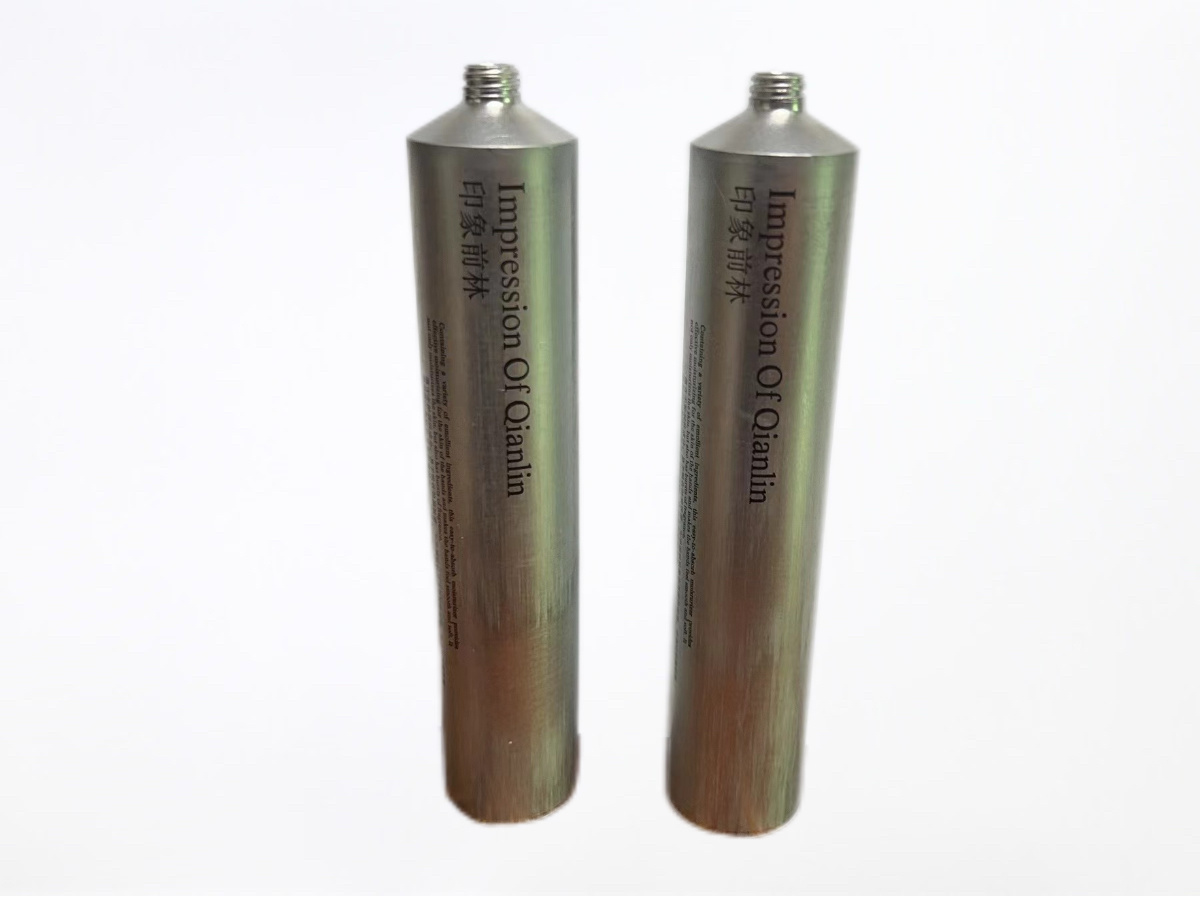
The Benefits of Aluminum Tubes for Shampoo Packaging
Aluminum tubes are gaining popularity in the packaging industry for several reasons:
1. **Recyclability**: Aluminum is 100% recyclable, and recycling it requires only 5% of the energy needed to produce new aluminum. This significantly reduces energy consumption and carbon emissions.
2. **Durability**: Aluminum tubes provide excellent protection against moisture, light, and air. This helps in preserving the integrity of the shampoo, ensuring that the product remains effective for a longer duration.
3. **Lightweight**: Despite being robust, aluminum tubes are considerably lighter than glass containers, reducing transportation costs and emissions.
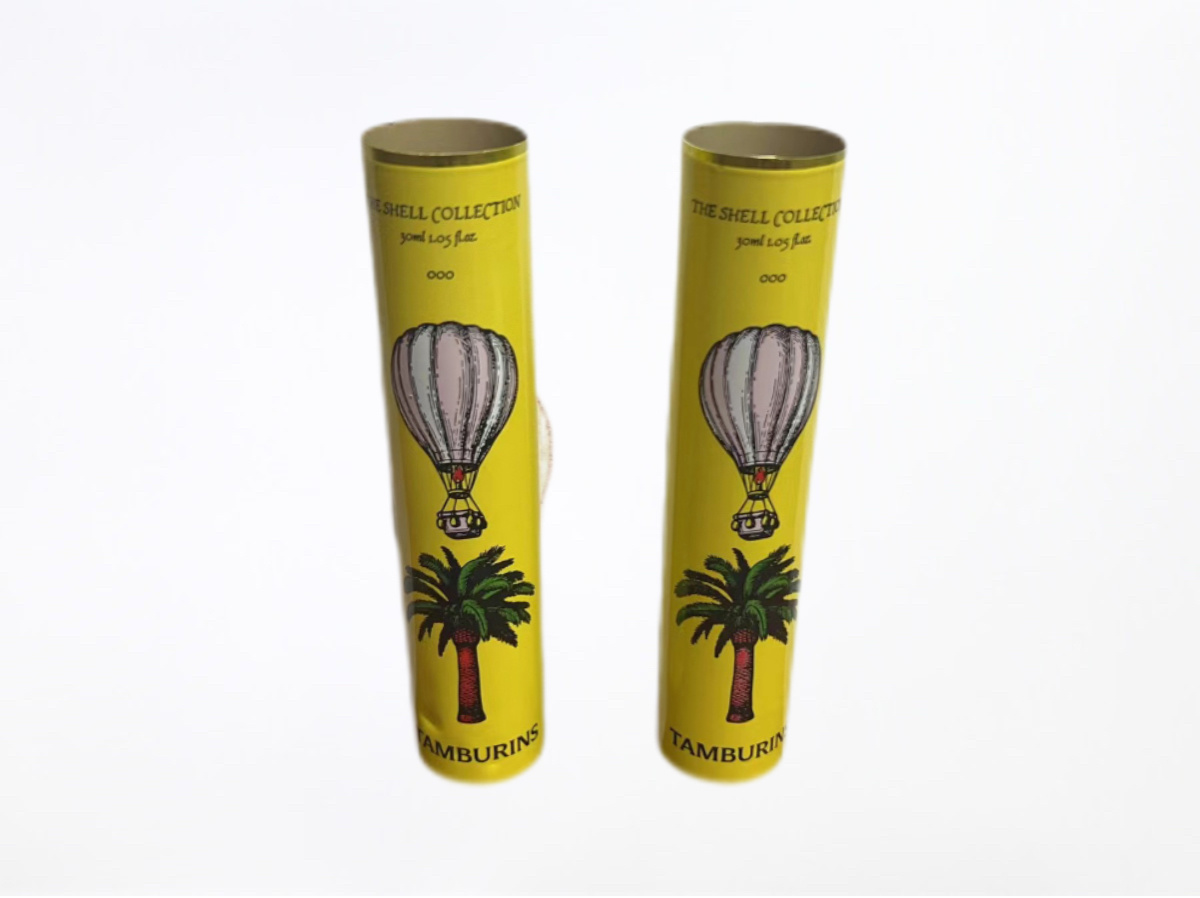
4. **Aesthetic Appeal**: Aluminum packaging can be designed in various colors and finishes, offering brands an opportunity to create visually striking products that stand out on the shelves.
Challenges of Using Aluminum Tubes
While aluminum tubes boast numerous advantages, they also come with challenges:
- **Cost**: The initial production cost for aluminum tubes can be higher than plastic bottles, which may deter some brands, especially smaller businesses.
- **Limited Availability**: Not all manufacturers offer aluminum tubes, which can lead to supply chain challenges.
- **Consumer Perception**: Some consumers may be less familiar with aluminum packaging, potentially impacting the purchasing decision if they do not understand the benefits.
Plastic Bottles: The Conventional Choice
The Advantages of Plastic Bottles in Shampoo Packaging
Plastic bottles have long been the standard for shampoo packaging due to several compelling advantages:
1. **Cost-Effectiveness**: Generally, plastic bottles are less expensive to produce and purchase than aluminum tubes, making them a more accessible option for many brands.
2. **Widespread Availability**: Manufacturers produce a wide variety of plastic bottles, ensuring easy access for brands looking for specific sizes or designs.
3. **Consumer Recognition**: Most consumers are familiar with plastic bottles, and their widespread use may encourage a sense of comfort and reliability.
Disadvantages of Plastic Bottles
Despite their advantages, plastic bottles face significant criticism due to environmental concerns:
- **Environmental Impact**: Plastic pollution is a pressing issue, with millions of tons of plastic waste entering oceans and landfills annually. Many plastic bottles are not recycled, contributing to environmental degradation.
- **Non-Renewable Resources**: Plastic is derived from petrochemicals, leading to environmental concerns surrounding fossil fuel extraction and usage.
- **Limited Recyclability**: While many plastic bottles are labeled as recyclable, the reality is that a significant percentage ends up in landfills due to contamination and lack of recycling facilities.
Comparative Analysis: Aluminum Tubes vs. Plastic Bottles
Environmental Impact
When comparing aluminum tubes and plastic bottles, the **environmental impact** is a critical factor. Aluminum's recyclability and lower energy consumption during recycling present a clear advantage over plastic. Furthermore, aluminum can be reused multiple times without losing quality, while plastic’s degradation during recycling often results in lower-grade materials.
Consumer Preferences and Behavior
Consumer attitudes toward packaging are shifting. Surveys indicate a growing preference for brands that prioritize sustainability. Brands utilizing **aluminum tubes** may attract environmentally conscious customers looking for eco-friendly alternatives. However, the familiarity of plastic bottles remains a significant factor, particularly among traditional consumers.
Market Trends Influencing Packaging Choices
As sustainability takes center stage in consumer behavior, brands are increasingly aligning their packaging choices with market trends. The rise of clean beauty and sustainable products means that companies must adapt to maintain competitiveness. Brands can leverage aluminum packaging to not only meet consumer demand but also differentiate themselves from competitors using conventional plastic bottles.
Innovative Solutions for Sustainable Packaging
The push for sustainable packaging has led to innovative solutions beyond simply choosing between aluminum tubes and plastic bottles. Brands are exploring options such as:
1. **Refillable Containers**: Offering refill stations or providing refill packs encourages consumers to reuse packaging rather than disposing of it after a single use.
2. **Biodegradable Plastics**: Some brands are experimenting with biodegradable or compostable plastics that offer similar functionality while minimizing environmental impact.
3. **Minimalist Design**: Reducing unnecessary packaging or opting for minimalist designs can lower material usage and waste.
FAQs about Shampoo Packaging Choices
1. Are aluminum tubes more expensive than plastic bottles?
Yes, aluminum tubes can have a higher production cost compared to plastic bottles, but they also provide long-term environmental benefits that may justify the expense.
2. Can aluminum tubes be recycled?
Absolutely! Aluminum tubes are 100% recyclable and can be recycled multiple times without losing quality.
3. Are plastic bottles recyclable?
While many plastic bottles are labeled as recyclable, the reality is that a significant percentage are not recycled due to contamination and infrastructure challenges.
4. What should I consider when choosing packaging for my shampoo brand?
Consider factors such as cost, environmental impact, consumer preferences, and the integrity of the product you are packaging.
5. How can brands promote their sustainable packaging choices?
Brands can highlight their commitment to sustainability through marketing campaigns, labeling, and storytelling that educates consumers about the benefits of their packaging choices.
Conclusion: Making the Right Choice for Sustainable Shampoo Packaging
In the ongoing debate between **aluminum tubes and plastic bottles** for shampoo packaging, it is evident that both options have unique advantages and challenges. However, the rising demand for sustainable solutions and the significant environmental impact of plastic waste position aluminum tubes as a more eco-friendly alternative. Brands must carefully consider their values, target audience, and market trends when deciding on packaging solutions. By embracing sustainable packaging options, companies not only contribute to environmental preservation but also align with the growing consumer demand for eco-conscious products, ensuring their relevance in an increasingly competitive market.
One-Stop Aluminum Packaging Customized Service
Contact Us
Tel : +86-150 9053 9268
Email : 1019118637@qq.com
WeChat : 15090539268
Address : Huahai Industrial Park, Huadu District, Guangzhou CHINA
Postcode: 510800

Leave A Message