


Aluminum Mask Tubes: The Future of Eco-Friendly Packaging
Release time:
Jun 14,2026
Aluminum Mask Tubes: The Future of Eco-Friendly Packaging
Introduction to Eco-Friendly Packaging Solutions
In today's world, the demand for sustainable packaging solutions is at an all-time high. Consumers are increasingly aware of their environmental impact, leading brands to seek alternatives that minimize waste and enhance recyclability. Among these innovative solutions, **aluminum mask tubes** are emerging as frontrunners in the quest for eco-friendly packaging options. These tubes not only offer practicality but also embody a commitment to sustainability, making them the preferred choice for a variety of industries.
Understanding Aluminum Mask Tubes
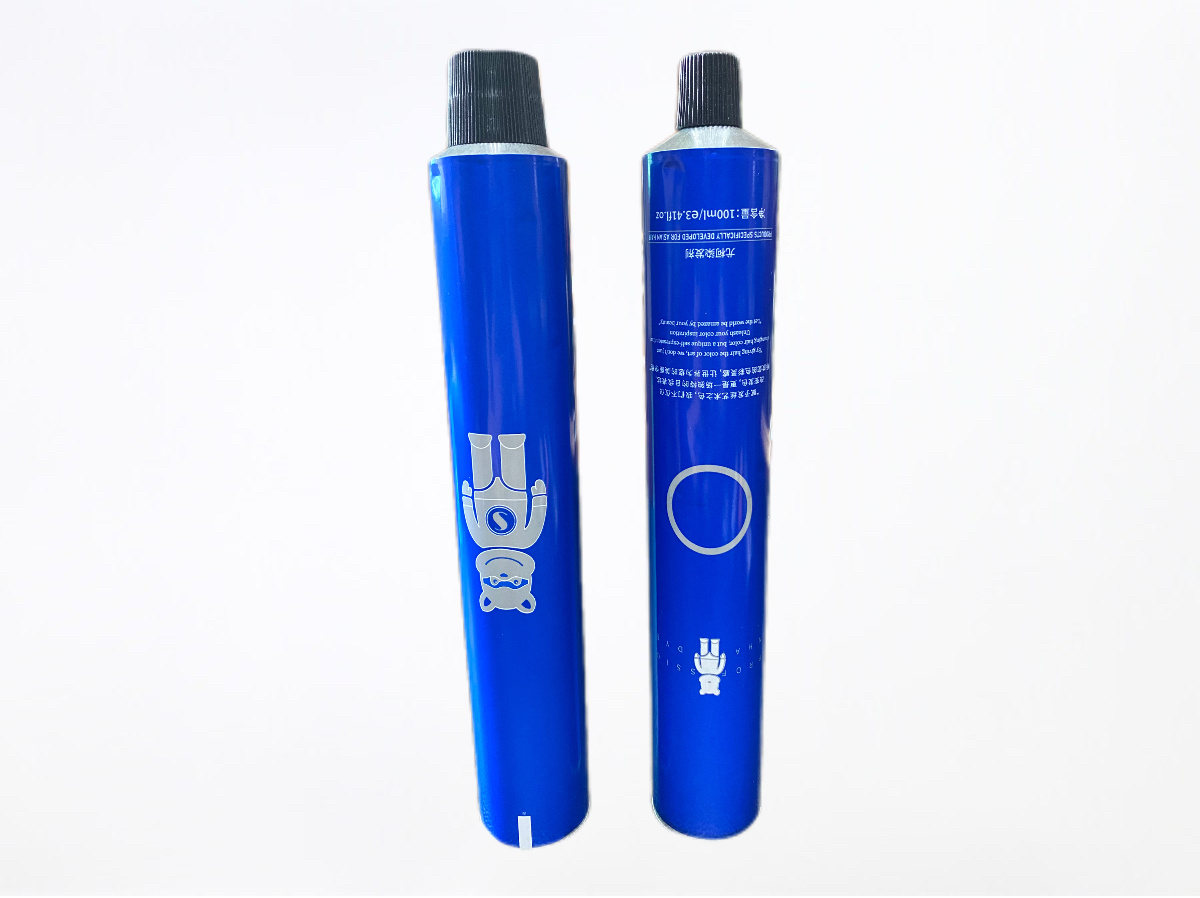
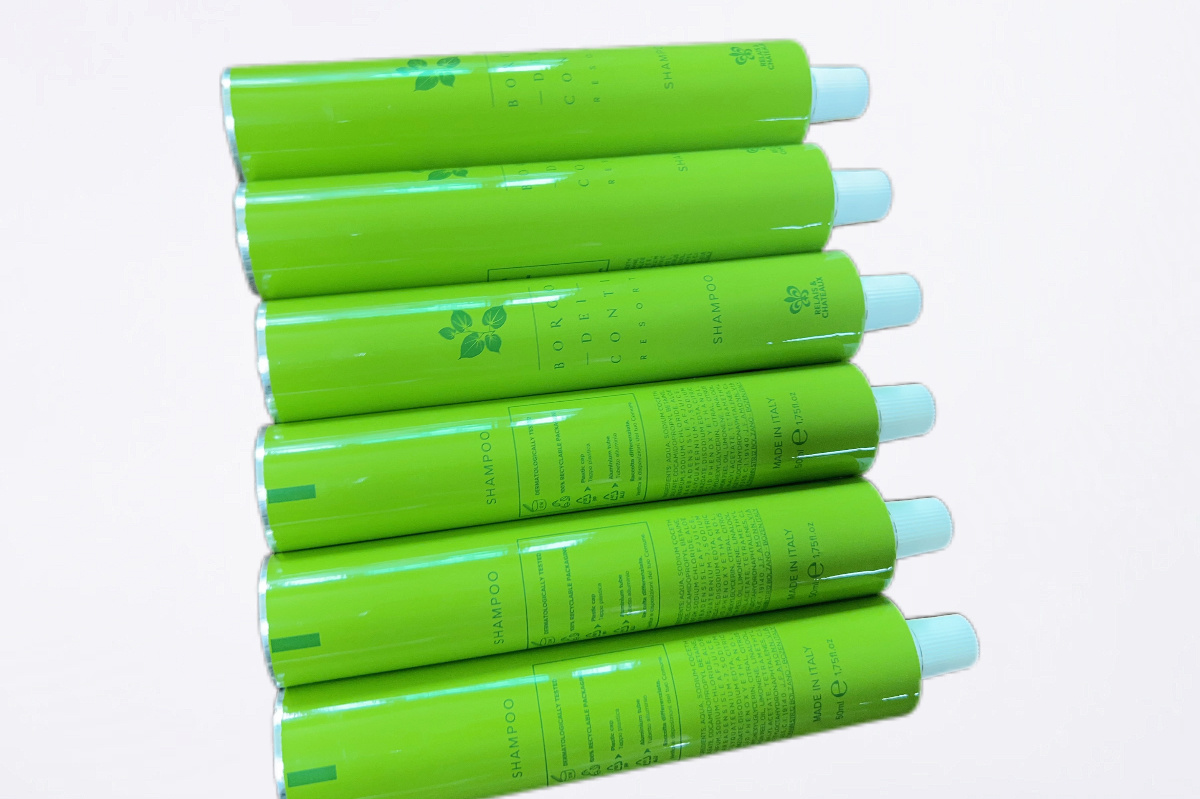
Aluminum mask tubes are cylindrical containers made entirely from aluminum, designed primarily for the packaging of cosmetics, creams, and other semi-liquid products. Unlike traditional plastic tubes, aluminum provides superior protection against light and air, extending the shelf life of the products inside. Furthermore, aluminum is 100% recyclable, contributing to a circular economy where materials are reused rather than discarded.
The Composition and Design of Aluminum Mask Tubes
Aluminum tubes are crafted through a process that involves extruding aluminum sheets into the desired shape. This method allows for precision in design, enabling manufacturers to create tubes of various sizes and diameters. Additionally, aluminum is lightweight yet durable, making it an ideal choice for both manufacturers and consumers. The tubes can also be customized with vibrant colors and designs, offering brands a unique way to connect with their audience.
Benefits of Choosing Aluminum Mask Tubes
The shift towards aluminum mask tubes comes with numerous benefits:
1. Sustainability and Environmental Impact
Aluminum is infinitely recyclable. Unlike plastic, which can take hundreds of years to decompose, aluminum retains its properties even after multiple recycling processes. This means that choosing aluminum packaging helps reduce landfill waste and conserves natural resources.
2. Enhanced Product Preservation
Aluminum tubes provide an airtight seal, protecting contents from oxidation and contamination. This is particularly important for skincare and cosmetic products, which can degrade when exposed to air and light. By using aluminum, brands can ensure their products remain effective for longer.
3. Brand Image and Consumer Appeal
As consumers become more environmentally conscious, brands that adopt sustainable practices can enhance their image and attract a loyal customer base. Using aluminum packaging signifies a commitment to sustainability, resonating well with eco-aware consumers.
4. Versatility and Customization
Aluminum mask tubes can be tailored to meet specific branding needs. They can be printed with high-quality graphics and designs, allowing brands to showcase their unique identity while still promoting an eco-friendly message.
Applications of Aluminum Mask Tubes in Various Industries
Aluminum mask tubes are versatile and can be used across multiple sectors:
1. Cosmetics and Skincare
The beauty industry has significantly embraced aluminum packaging. From moisturizing creams to face masks and serums, aluminum tubes not only protect the quality of the products but also appeal to consumers looking for sustainable options.
2. Pharmaceuticals
In the healthcare sector, aluminum tubes are used for packaging topical creams and ointments. Their ability to provide a hermetic seal ensures that the product remains sterile and effective until its expiration date.
3. Food Industry
Emerging trends in the food industry also see aluminum mask tubes being used for sauces, pastes, and spreads. The non-reactive nature of aluminum helps preserve the taste and quality of food items.
The Manufacturing Process of Aluminum Mask Tubes
Understanding how aluminum mask tubes are produced can provide insights into their quality and sustainability.
Step-by-Step Manufacturing
1. **Material Selection**: High-grade aluminum sheets are selected based on the required thickness and application.
2. **Extrusion**: The aluminum is heated and pushed through a die to form tubes of varying diameters.
3. **Trimming and Necking**: The tubes are cut to the desired lengths, and the ends are shaped to allow for sealing.
4. **Printing and Coating**: High-resolution printing techniques are applied to customize the surface with branding and graphics.
5. **Sealing**: The ends are then sealed using either a crimping process or a plastic spout, ensuring an airtight closure.
6. **Quality Control**: Each batch undergoes rigorous quality checks to ensure consistency and durability.
Challenges in the Transition to Aluminum Packaging
While the benefits of aluminum mask tubes are clear, the transition from traditional plastic packaging can present challenges for brands:
1. Cost Considerations
Aluminum packaging can be more expensive than plastic alternatives. However, manufacturers argue that the long-term benefits and consumer demand for sustainability can justify the investment.
2. Supply Chain Adjustments
Brands may need to adapt their supply chains to accommodate aluminum sourcing and production, which can require time and resources.
3. Consumer Education
Educating consumers about the benefits of aluminum packaging over plastic is essential to facilitate widespread acceptance. Brands must communicate their sustainability initiatives effectively.
Future Trends in Aluminum Packaging
As the demand for sustainable packaging continues to rise, aluminum mask tubes are likely to see several emerging trends:
1. Innovations in Design and Functionality
Ongoing advancements in manufacturing techniques will lead to even more innovative designs, such as tubes with integrated applicators or multi-chamber designs for product combination.
2. Increased Recycling Initiatives
With the rising focus on sustainability, more initiatives will emerge to promote aluminum recycling programs, encouraging consumers to return used tubes for recycling.
3. Collaborations for Sustainability
Industries may collaborate with environmental organizations to further research and develop sustainable packaging solutions, reinforcing their commitment to eco-friendliness.
4. Regulatory Changes
Governments worldwide are imposing stricter regulations on plastic use. As these regulations tighten, businesses will increasingly turn to aluminum as a compliant and sustainable alternative.
Frequently Asked Questions (FAQs)
1. Are aluminum mask tubes recyclable?
Yes, aluminum mask tubes are fully recyclable. They can be melted down and reused to create new products without losing quality.
2. How do aluminum tubes compare to plastic in terms of preservation?
Aluminum tubes provide superior protection against air and light, ensuring that the products inside remain fresh and effective for a longer period compared to plastic tubes.
3. Can aluminum mask tubes be customized for branding?
Absolutely! Aluminum tubes can be printed with high-quality designs, allowing brands to showcase their unique identity while promoting sustainability.
4. What types of products are best suited for aluminum mask tubes?
Aluminum mask tubes are ideal for cosmetics, skincare products, pharmaceuticals, and even food items such as sauces and pastes.
5. What are the environmental benefits of using aluminum over plastic?
Aluminum is infinitely recyclable, reducing landfill waste and conserving resources. In contrast, plastic can take hundreds of years to decompose, contributing significantly to environmental pollution.
Conclusion
Aluminum mask tubes represent the future of eco-friendly packaging, combining sustainability with practicality and aesthetic appeal. As consumers continue to prioritize environmentally responsible choices, the demand for aluminum packaging will likely grow. Brands that embrace this innovative solution not only enhance their product offerings but also contribute positively to the planet. By making the switch to aluminum, businesses can lead the charge toward a more sustainable future, proving that packaging can be both functional and eco-conscious.
Previous
One-Stop Aluminum Packaging Customized Service
Contact Us
Tel : +86-150 9053 9268
Email : 1019118637@qq.com
WeChat : 15090539268
Address : Huahai Industrial Park, Huadu District, Guangzhou CHINA
Postcode: 510800

Leave A Message