


Exploring the Benefits of Aviation-Specific Toothpaste Tubes in Metal Packaging
Release time:
Jul 09,2026
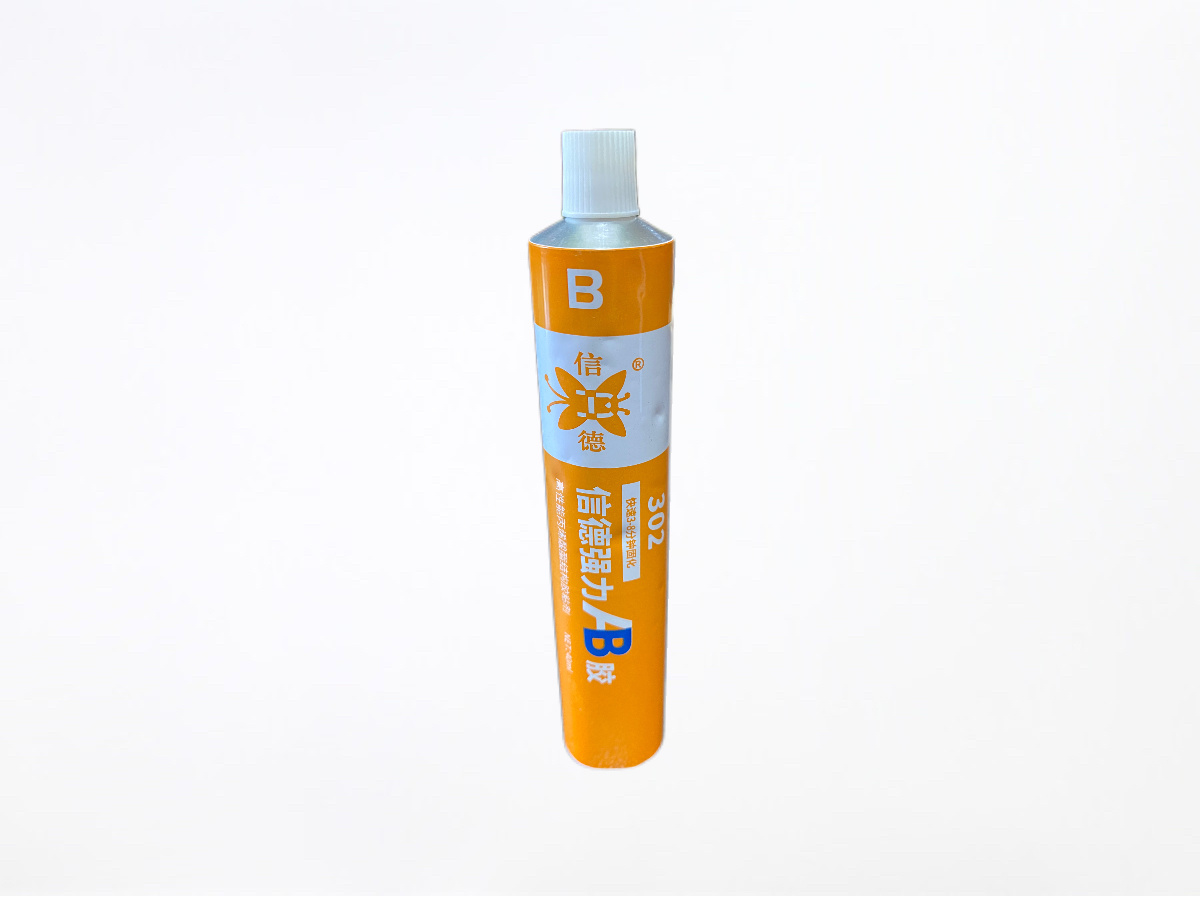
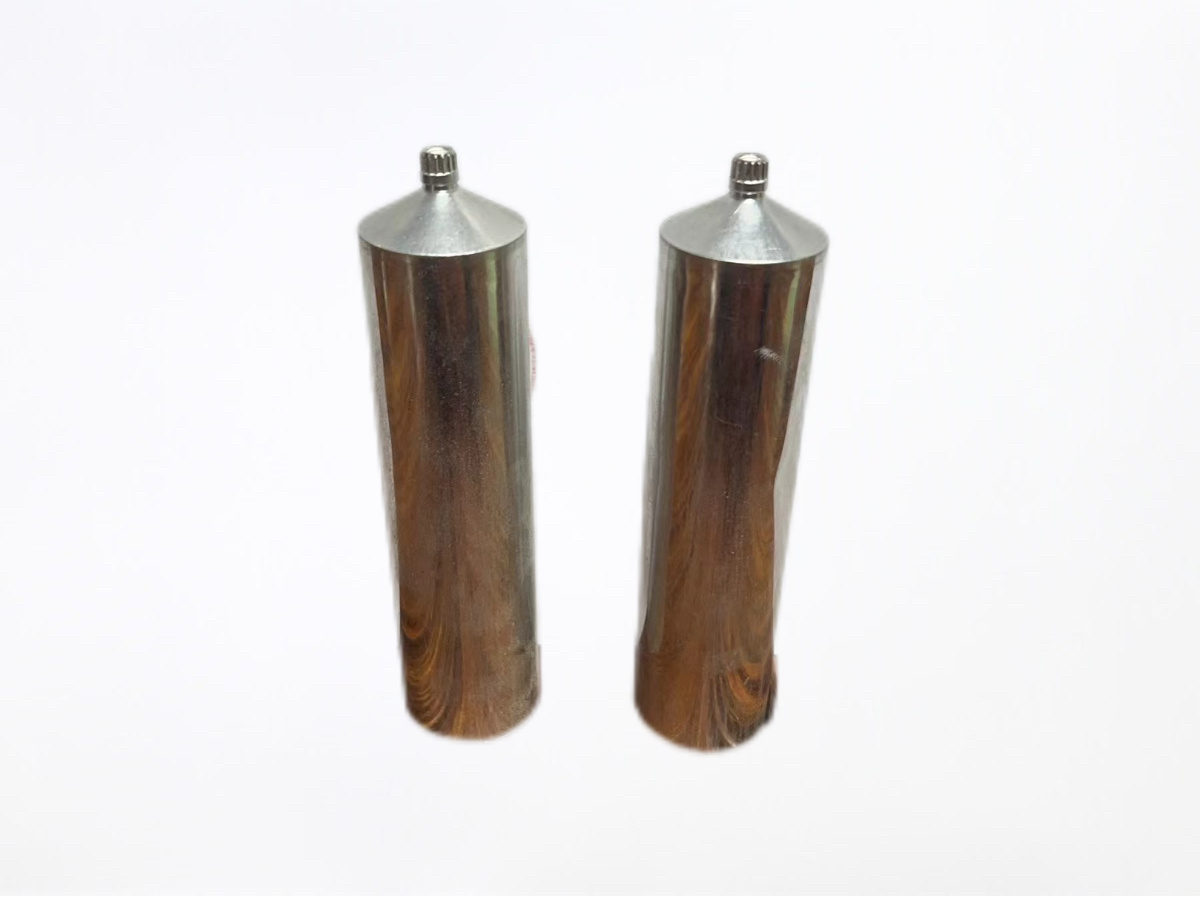
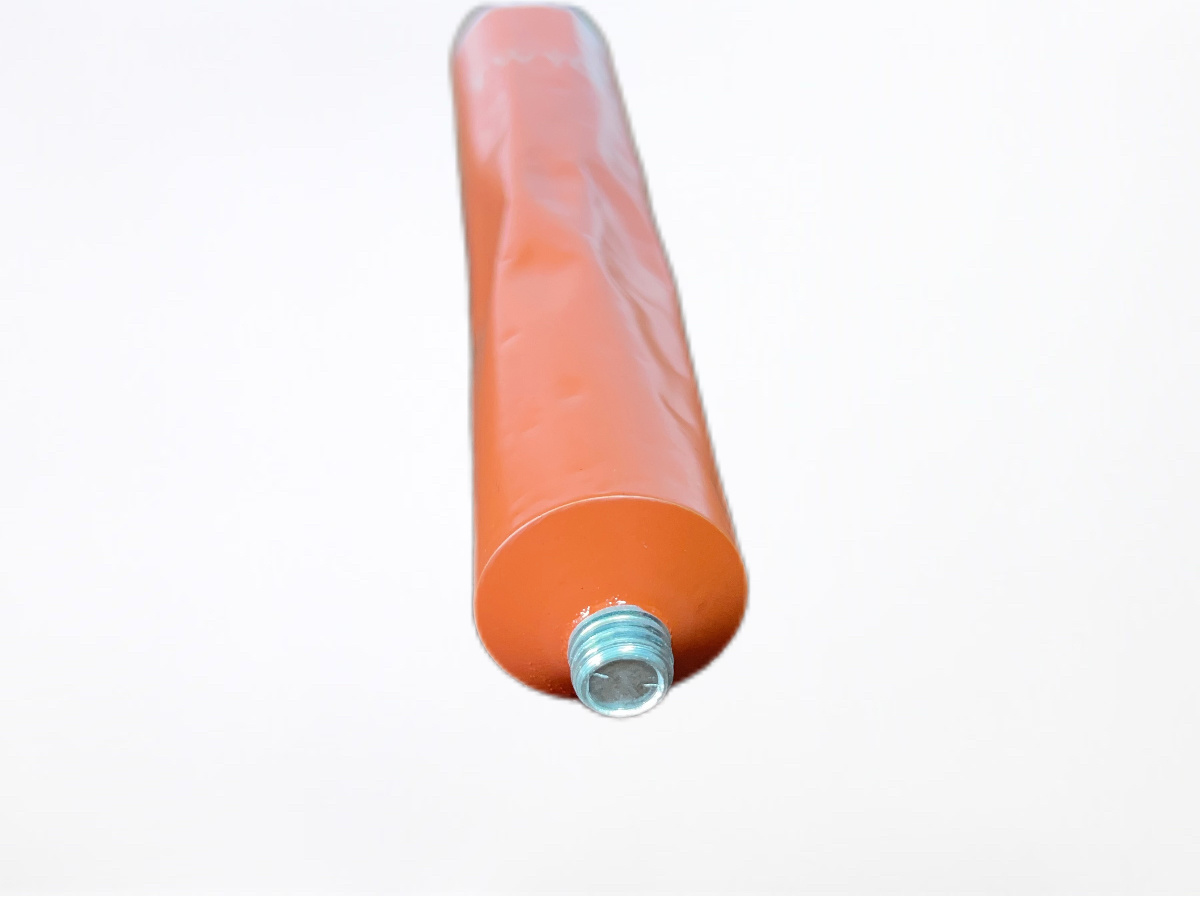
In the aviation industry, the demand for specialized packaging solutions has never been more critical, particularly for consumer goods such as toothpaste. An aviation-specific toothpaste tube offers distinct advantages that cater specifically to the needs of air travel. These tubes, typically made from metal, present several benefits that enhance both functionality and user experience.
One of the primary advantages of aviation-specific toothpaste tubes is their durability. Metal packaging is known for its robust nature, providing superior protection against external elements. This is particularly important in aviation, where products are subjected to varying atmospheric conditions and pressures. Unlike traditional plastic tubes, metal tubes are less likely to rupture or leak, ensuring that the contents remain secure throughout the journey.
Moreover, the design of aviation-specific toothpaste tubes often incorporates features that facilitate ease of use. Many users find that metal tubes allow for better squeeze control, enabling them to dispense the exact amount of toothpaste needed without excessive waste. This level of precision is particularly appreciated in environments where resources are limited, such as on an aircraft.
Another significant benefit is the compatibility of metal tubes with various toothpaste formulations. Aviation-specific tubes can accommodate a wide range of toothpaste textures, including gel and paste, making them suitable for diverse consumer preferences. The non-reactive nature of metal ensures that the toothpaste remains stable and maintains its efficacy throughout its shelf life.
In addition to practicality, there is also a growing emphasis on sustainability within the aviation sector. Metal packaging is often recyclable, which aligns with the industry's increasing focus on reducing its environmental impact. Utilizing aviation-specific toothpaste tubes made from recyclable materials can help airlines and manufacturers contribute to a greener future.
Furthermore, the aesthetic appeal of metal toothpaste tubes should not be overlooked. With sleek designs and the ability to print high-resolution graphics, these tubes can enhance brand visibility and attractiveness. Airlines and manufacturers can leverage unique branding opportunities that resonate with consumers, particularly those who value premium products while traveling.
Finally, safety considerations are paramount in the aviation industry. Metal toothpaste tubes can be designed to meet stringent safety standards, ensuring that they do not pose any hazards during transport. Features such as tamper-proof seals and child-resistant closures can be easily integrated into the design, providing peace of mind for manufacturers and consumers alike.
In conclusion, the advantages of aviation-specific toothpaste tubes crafted from metal packaging extend far beyond basic functionality. Their durability, user-friendly design, compatibility with various formulations, sustainability, aesthetic appeal, and safety make them an ideal choice for the aviation industry. By opting for these specialized tubes, manufacturers can enhance the consumer experience while addressing the unique challenges of air travel.
One of the primary advantages of aviation-specific toothpaste tubes is their durability. Metal packaging is known for its robust nature, providing superior protection against external elements. This is particularly important in aviation, where products are subjected to varying atmospheric conditions and pressures. Unlike traditional plastic tubes, metal tubes are less likely to rupture or leak, ensuring that the contents remain secure throughout the journey.
Moreover, the design of aviation-specific toothpaste tubes often incorporates features that facilitate ease of use. Many users find that metal tubes allow for better squeeze control, enabling them to dispense the exact amount of toothpaste needed without excessive waste. This level of precision is particularly appreciated in environments where resources are limited, such as on an aircraft.
Another significant benefit is the compatibility of metal tubes with various toothpaste formulations. Aviation-specific tubes can accommodate a wide range of toothpaste textures, including gel and paste, making them suitable for diverse consumer preferences. The non-reactive nature of metal ensures that the toothpaste remains stable and maintains its efficacy throughout its shelf life.
In addition to practicality, there is also a growing emphasis on sustainability within the aviation sector. Metal packaging is often recyclable, which aligns with the industry's increasing focus on reducing its environmental impact. Utilizing aviation-specific toothpaste tubes made from recyclable materials can help airlines and manufacturers contribute to a greener future.
Furthermore, the aesthetic appeal of metal toothpaste tubes should not be overlooked. With sleek designs and the ability to print high-resolution graphics, these tubes can enhance brand visibility and attractiveness. Airlines and manufacturers can leverage unique branding opportunities that resonate with consumers, particularly those who value premium products while traveling.
Finally, safety considerations are paramount in the aviation industry. Metal toothpaste tubes can be designed to meet stringent safety standards, ensuring that they do not pose any hazards during transport. Features such as tamper-proof seals and child-resistant closures can be easily integrated into the design, providing peace of mind for manufacturers and consumers alike.
In conclusion, the advantages of aviation-specific toothpaste tubes crafted from metal packaging extend far beyond basic functionality. Their durability, user-friendly design, compatibility with various formulations, sustainability, aesthetic appeal, and safety make them an ideal choice for the aviation industry. By opting for these specialized tubes, manufacturers can enhance the consumer experience while addressing the unique challenges of air travel.
One-Stop Aluminum Packaging Customized Service
Contact Us
Tel : +86-150 9053 9268
Email : 1019118637@qq.com
WeChat : 15090539268
Address : Huahai Industrial Park, Huadu District, Guangzhou CHINA
Postcode: 510800

Leave A Message