




Aviation Industry Standards: Essential Insights on Toothpaste Tubes for Packaging and Printing
Release time:
Jul 14,2026
Aviation Industry Standards: Essential Insights on Toothpaste Tubes for Packaging and Printing
Table of Contents
- 1. Introduction to Toothpaste Tubes in Aviation
- 2. Material Selection for Toothpaste Tubes
- 3. Understanding Safety Regulations
- 4. Performance Requirements for Toothpaste Tubes
- 5. Innovative Packaging Solutions in Aviation
- 6. Sustainability Considerations in Packaging
- 7. Industry Case Studies: Successful Implementations
- 8. Frequently Asked Questions
- 9. Conclusion
1. Introduction to Toothpaste Tubes in Aviation
The aviation industry is characterized by stringent quality and safety standards. When it comes to packaging, particularly toothpaste tubes, these standards become crucial. The materials and construction of these tubes must not only meet functional requirements but also adhere to regulations that ensure safety during air travel. This article provides a detailed examination of how toothpaste tubes are designed and manufactured to comply with aviation industry standards, focusing on their importance in both packaging and printing sectors.
2. Material Selection for Toothpaste Tubes
Selecting the right materials for toothpaste tubes is essential for ensuring compliance with aviation standards. The primary materials used include:
2.1 Aluminum
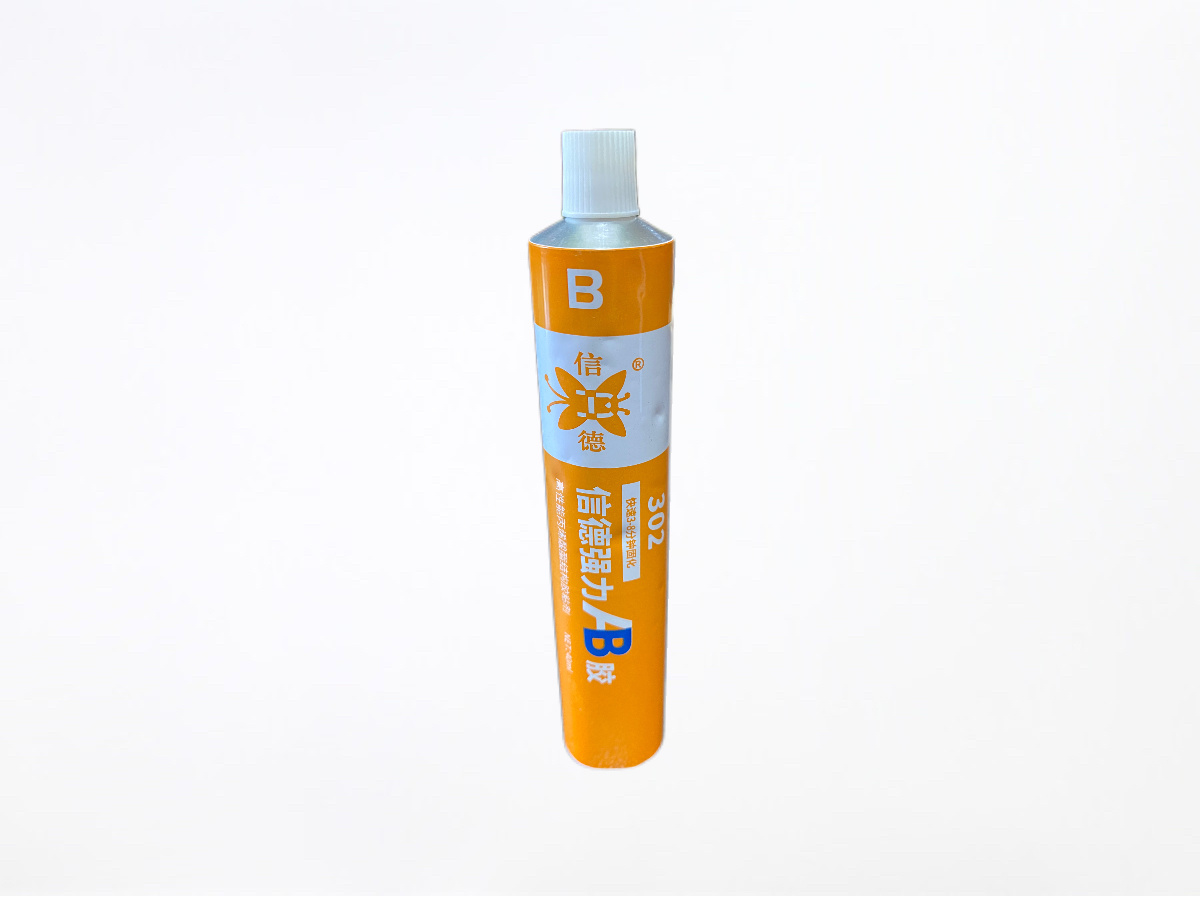
Aluminum is a popular choice for toothpaste tubes due to its excellent barrier properties, lightweight nature, and recyclability. It protects the product from light, moisture, and air, which can degrade the toothpaste's quality. Additionally, aluminum is easily printable, allowing for branding and information to be included on the packaging.
2.2 Laminates
Laminated tubes, made from a combination of materials such as plastic and aluminum, offer flexibility and durability. They can be designed to meet various compliance requirements and can be customized to include safety features specific to aviation standards.
2.3 Plastic
While not as commonly used as aluminum, certain plastics can be suitable for toothpaste tubes, especially those designed for disposable applications. However, these must undergo rigorous testing to meet aviation regulations related to flammability and toxicity.
3. Understanding Safety Regulations
In the aviation industry, safety is non-negotiable. Toothpaste tubes must comply with several regulations to ensure they do not pose a risk during air travel.
3.1 FAA Regulations
The Federal Aviation Administration (FAA) mandates that all materials used in aviation must withstand certain stress levels and not release harmful substances. Toothpaste tubes should be tested for flammability and chemical emissions.
3.2 International Safety Assessments
Globally, agencies like the International Air Transport Association (IATA) and the European Union Aviation Safety Agency (EASA) have set standards that packaging must adhere to. This ensures that toothpaste tubes can be safely transported and used on international flights.
4. Performance Requirements for Toothpaste Tubes
Performance is crucial, especially in high-stress environments like aviation. Toothpaste tubes must perform consistently under varied conditions.
4.1 Pressure Resistance
Toothpaste tubes must be able to withstand pressure changes during takeoff and landing. This requires robust sealing and material integrity throughout the tube's lifespan.
4.2 Leak Prevention
Sealing technologies used in the production of toothpaste tubes are vital to prevent leaks. Ensuring that no product escapes during transit is crucial for maintaining hygiene and product integrity.
5. Innovative Packaging Solutions in Aviation
As the aviation industry evolves, innovative packaging solutions become increasingly important.
5.1 Smart Packaging
Smart packaging technology can enhance safety and compliance. Features such as tamper-evident seals and QR codes for traceability ensure that toothpaste tubes meet regulatory standards.
5.2 Customization and Branding
Customization in packaging not only enhances branding but can also include safety features. For instance, color-coded tubes can indicate different product types, making it easier for users to identify them quickly.
6. Sustainability Considerations in Packaging
Sustainability is a growing concern within the aviation and packaging industry.
6.1 Eco-Friendly Materials
Using recyclable and biodegradable materials for toothpaste tubes can reduce environmental impact. Innovations in bioplastics are paving the way for more sustainable packaging solutions.
6.2 Lifecycle Assessment
Conducting lifecycle assessments helps companies understand the environmental impact of their packaging from production to disposal. This information can drive more sustainable choices in material selection and manufacturing processes.
7. Industry Case Studies: Successful Implementations
Real-world examples illustrate successful practices in toothpaste tube production that comply with aviation standards.
7.1 Case Study: Company X
Company X implemented a new line of aluminum toothpaste tubes designed specifically for aviation use. Their tubes passed rigorous testing and are now a standard within the industry, demonstrating safety and functionality.
7.2 Case Study: Company Y
Company Y utilized smart packaging technology in their toothpaste tubes, enhancing consumer trust through transparency about safety and quality. This strategy not only met aviation standards but also improved market competitiveness.
8. Frequently Asked Questions
8.1 What materials are used for toothpaste tubes in aviation?
Aluminum, laminates, and certain plastics are commonly used, each selected based on their compliance with aviation standards.
8.2 How does material selection impact safety?
Material selection directly impacts safety by influencing the tube's ability to withstand pressure, avoid leaks, and resist flammability.
8.3 Are toothpaste tubes tested for aviation compliance?
Yes, toothpaste tubes are subjected to various tests to ensure they meet FAA and international aviation safety regulations.
8.4 What innovations are being made in toothpaste tube packaging?
Innovations include smart packaging features, eco-friendly materials, and customizable designs that enhance safety and user experience.
8.5 How do sustainability practices affect toothpaste tube production?
Sustainability practices encourage the use of recyclable materials and improved manufacturing processes, reducing the environmental impact of toothpaste tubes.
9. Conclusion
Understanding the interplay between toothpaste tube design and aviation industry standards is essential for companies aiming to excel in packaging and printing. By prioritizing material selection, adhering to safety regulations, and adopting innovative practices, manufacturers can ensure their products not only comply with aviation standards but also contribute to a more sustainable future. As the aviation industry continues to evolve, so too will the standards for packaging — making it imperative for manufacturers to stay informed and adaptable. Through comprehensive knowledge and commitment to quality, we can help elevate the standards of toothpaste tubes in aviation and beyond.
One-Stop Aluminum Packaging Customized Service
Contact Us
Tel : +86-150 9053 9268
Email : 1019118637@qq.com
WeChat : 15090539268
Address : Huahai Industrial Park, Huadu District, Guangzhou CHINA
Postcode: 510800

Leave A Message